-
Founders Hub
Find what you're looking for
By support
By founder type
-
Irish Ecosystem
Explore key sectors & ecosystem insights
Ecosystem
- News & Insights
- About
How can we help?

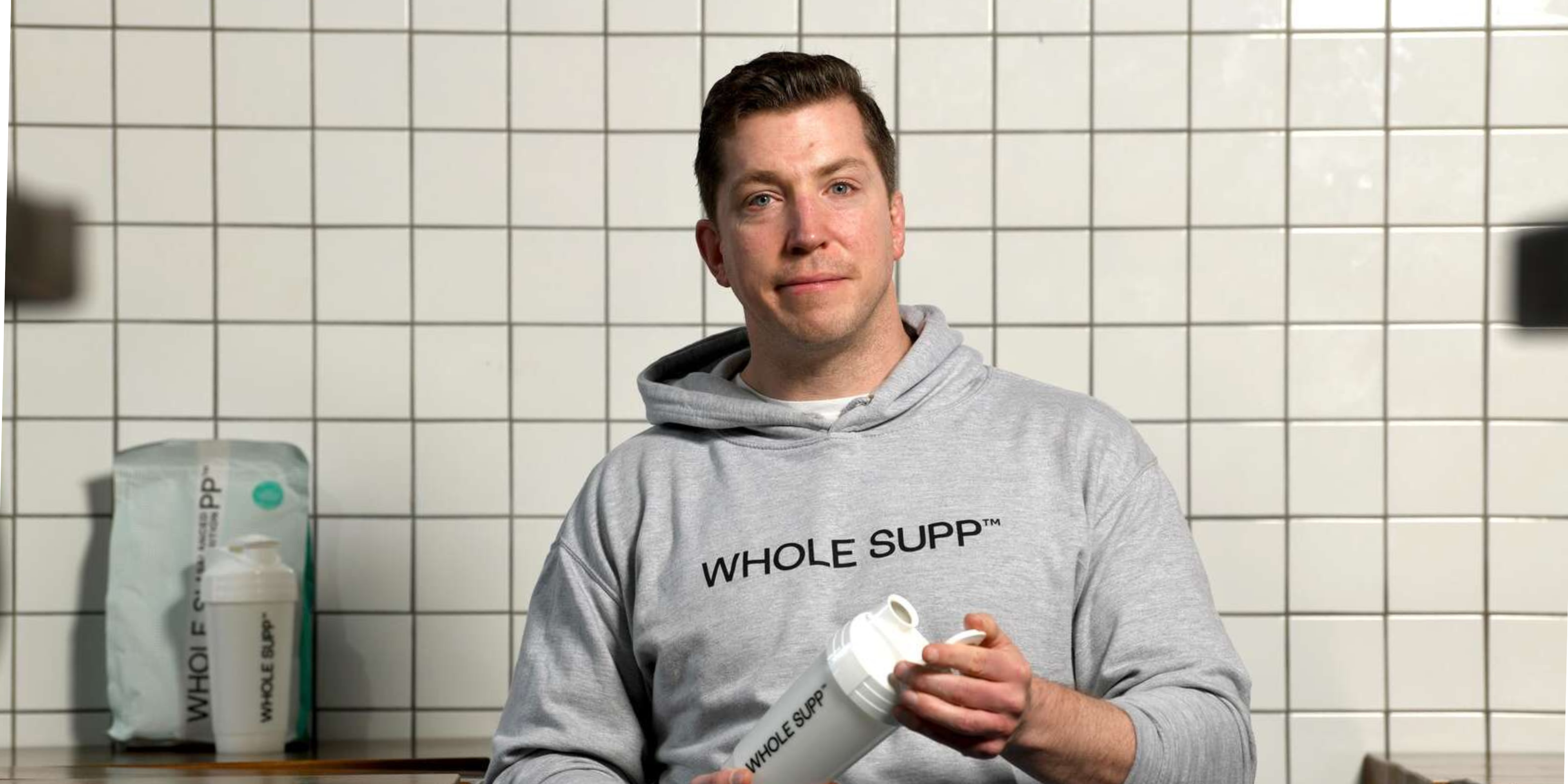
Whole Supp began with a problem founder Darren O’Reilly understood personally.
After six years as a professional rugby player, including time at Harlequins in London, Darren moved into the corporate world. Without the nutrition support and structure that had been part of professional sport, he found it much harder to maintain the same eating habits.
“Juggling a busy lifestyle with essential nutrition was like trying to tackle Jonah Lomu at full tilt. Nearly impossible.” he says.
At the same time, his research pointed to a wider market opportunity. One of the highest search terms in the category was “alternative to Huel,” which clearly suggested demand for complete nutrition products, but also a significant group of customers looking for something different.
“The highest search term in the category was ‘alternative to Huel’… I didn’t like the taste of it, it didn't particularly sit well with me.”
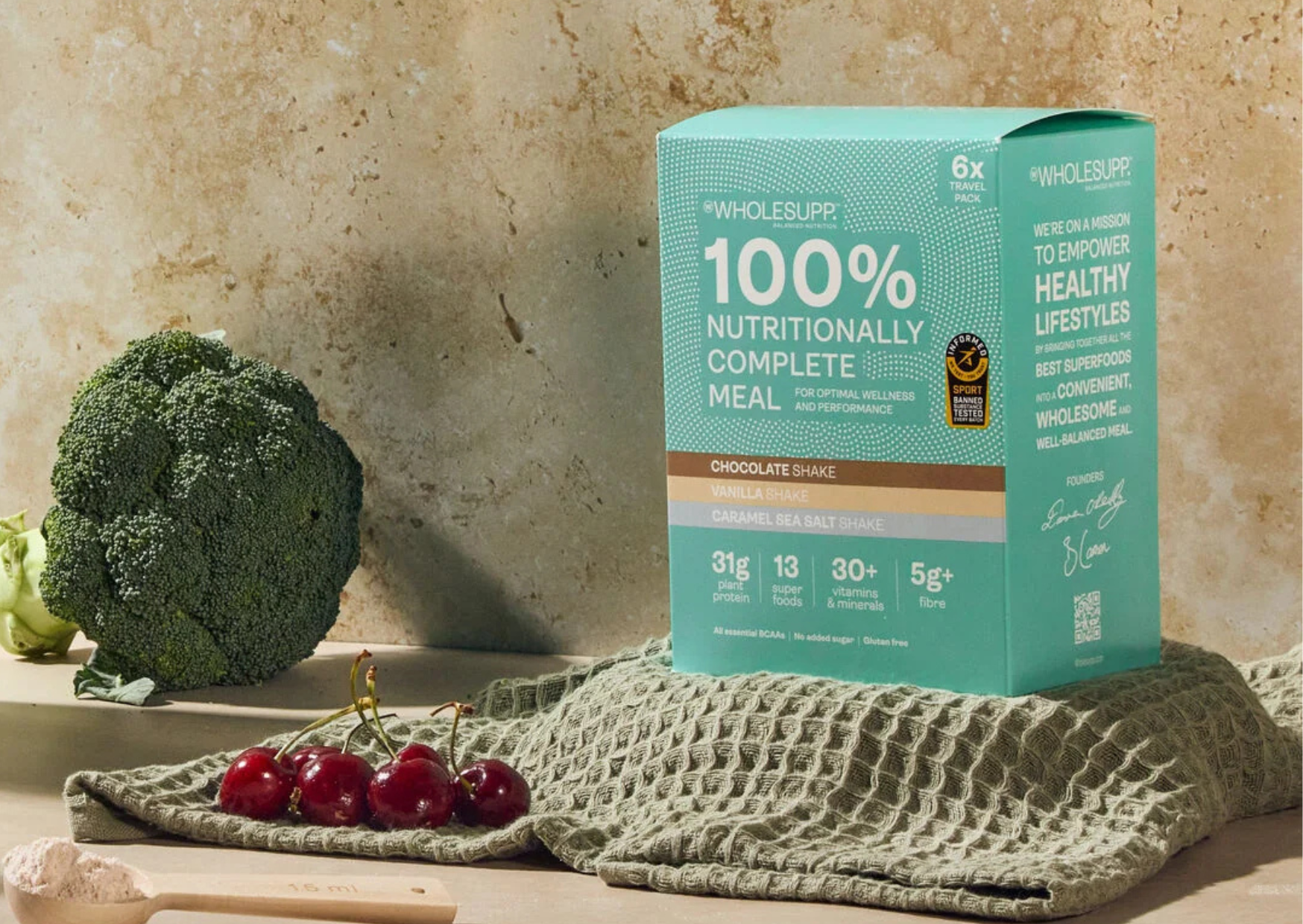
And so, taste and digestibility became central to the idea for Whole Supp - a nutritionally complete product designed around the needs of busy people who wanted a convenient alternative.
Building the team
Darren brought the commercial and marketing experience, but knew the product also needed strong scientific expertise behind it.
He began working with Dr Brian Carson, a physiologist with extensive experience in human metabolism and performance nutrition. Rather than immediately becoming co-founders, they initially worked together on a consultancy basis, giving both sides time to test how the relationship worked.
Once they decided to build the company together, their roles were clearly defined with Darren focusing on commercial and marketing and Brian leading science and formulation.
That scientific expertise also helped Whole Supp build credibility around the product, alongside Informed Sport certification and third-party endorsements.
The manufacturing challenge was significant too. Sinéad says potential manufacturers repeatedly told her the stick format would be too complicated or expensive to produce at scale. Rather than remove the feature, she decided the company would ultimately need to manufacture the product itself.
The launch
When Whole Supp launched online, sales did not take off immediately.
“We turned on our website expecting to hear the ching from Shopify,” says Darren. “It didn’t happen.”
Instead of simply increasing advertising spend, the team began speaking directly to customers — around 150 to 200 calls a month — and recording what they heard. Those conversations changed how the company talked about the product. Rather than focusing primarily on its nutritional features, Whole Supp began paying closer attention to the situations in which customers were actually using it. Breakfast emerged as a particularly strong use case.
“We started listening and recording those calls to understand how people spoke about Whole Supp and their use case.”
That customer language helped sharpen the brand’s positioning around “winning the morning”, while also giving the team a clearer view of the habits driving repeat purchase.
Building retention
Retention became one of the strongest indicators that the proposition was working. According to Darren, subscription retention has remained between roughly 70% and 80% month to month for close to four years.
For a physical subscription product, that consistency matters. Repeat customers make demand easier to forecast, help the business plan production more effectively and reduce the pressure to continually replace customers who leave.
The support
Enterprise Ireland committed €600,000 to Whole Supp, supporting market validation, operations and UK expansion. The funding helped the company add operational capability and test demand internationally.
“In that first year or two, we shipped to 28 countries around the world and lost money on all those shipments.”
The company used that learning to concentrate its resources on the UK and Ireland, where the economics and opportunity were strongest.
Darren also points to the value of Enterprise Ireland’s ongoing advice and network, alongside connections through HBAN and experienced operators in the food sector.
Expanding into retail
Whole Supp’s next major step was moving beyond powder into a ready-to-drink format. Developing Body Fuel took around three years and required the team to find a manufacturing partner able to produce the product at sufficient volume. The search took them across a number of European markets before securing the right manufacturing setup.
At the same time, the business worked to build retailer interest before committing to large production runs.
Body Fuel launched in 2026, initially reaching 66 Applegreen stores in Ireland, with Holland & Barrett and Chemist Warehouse subsequently expanding the company’s retail presence. That move also brought a different set of commercial considerations. Darren is clear that distribution alone does not make a retail relationship successful. The economics of each listing still have to work.
“Unless you have margin, you’re wasting your time… If our buyer says a number, we immediately say, ‘We need a PO for that’ so we can hold stock.”
That focus has helped Whole Supp balance growth with the working-capital demands that come with producing and holding physical stock.
Building the business around growth
Whole Supp has kept its internal team relatively lean, using fractional and part-time specialists where appropriate rather than building every capability in-house. Darren has also built an advisory group designed to challenge the team’s thinking rather than simply reinforce it.
“Don’t surround yourself full of yes people. If everybody’s clapping you on the back, are you doing the right thing?”
The company has continued to develop new products for its existing customer base, including Elevate, an electrolyte and creatine supplement that moved from concept to launch in around two weeks. Because Whole Supp already had an established audience and customer channel, it could test a relatively simple complementary product without needing to build demand from scratch.
Next steps
Whole Supp has now delivered more than one million meals and is operating at break-even across the UK and Ireland, according to Darren.
Its ready-to-drink products are expanding the brand beyond direct-to-consumer subscriptions and into physical retail, while the business continues to focus on the two markets where it sees the clearest commercial opportunity.
The next stage is about building on that customer base and retail presence while maintaining the retention and margins that have supported the business to date.
Check out the funding and programme sections of this website to find out what help might be available and get in touch today.
Disclaimer: The information provided in this article is for general informational purposes only and does not constitute professional advice. While we strive to provide accurate and up-to-date information, readers should consult a qualified expert or professional before making any decisions or taking any actions based on the content.
Speak to a Startup Ireland advisor
Whether you’re looking to validate your startup idea or getting set to grow internationally, talk to an advisor to understand the relevant supports available and to navigate the first steps to access them.
Contact Startup Ireland:
Phone lines are open Monday to Friday, 9am–5pm (Irish Standard Time).